
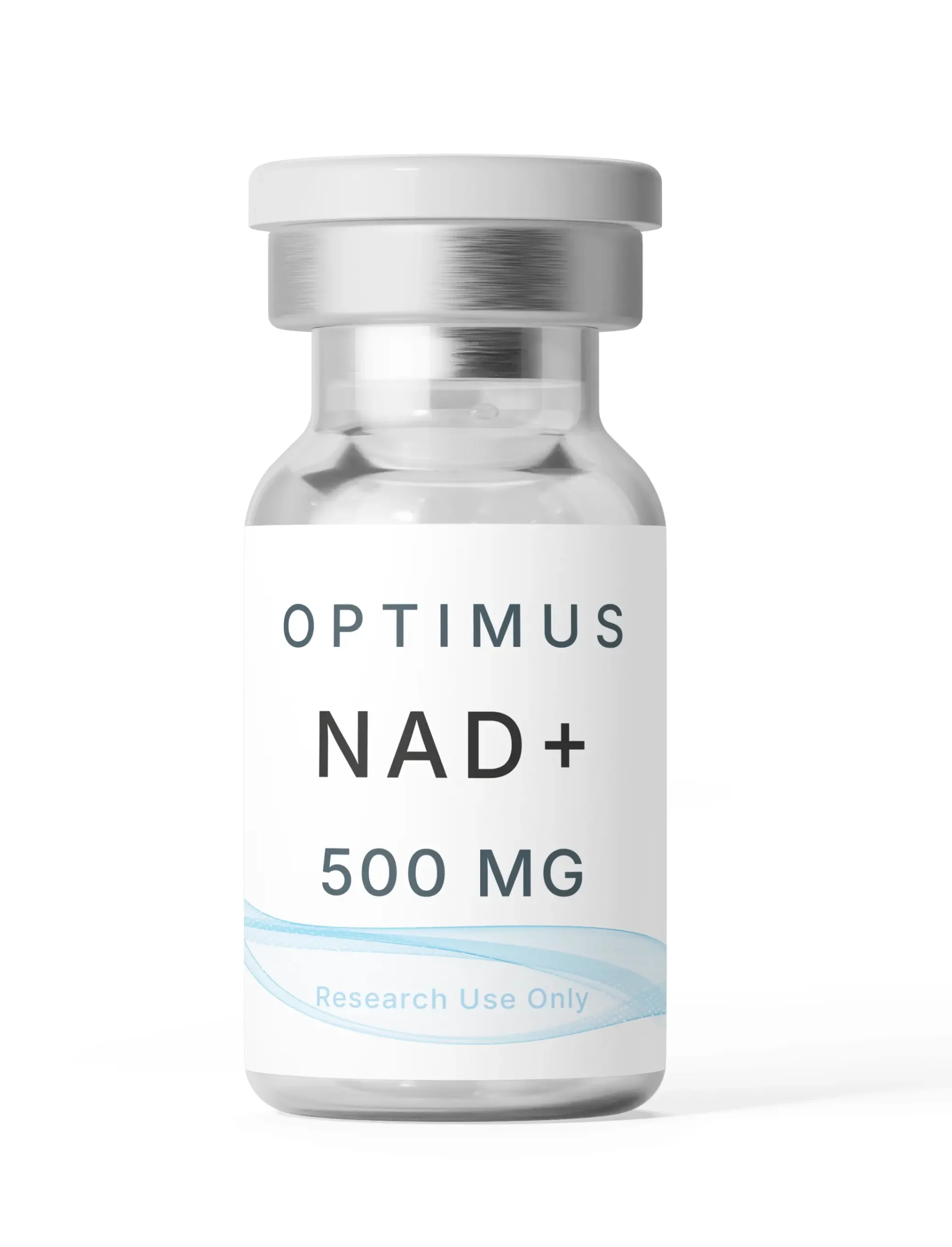
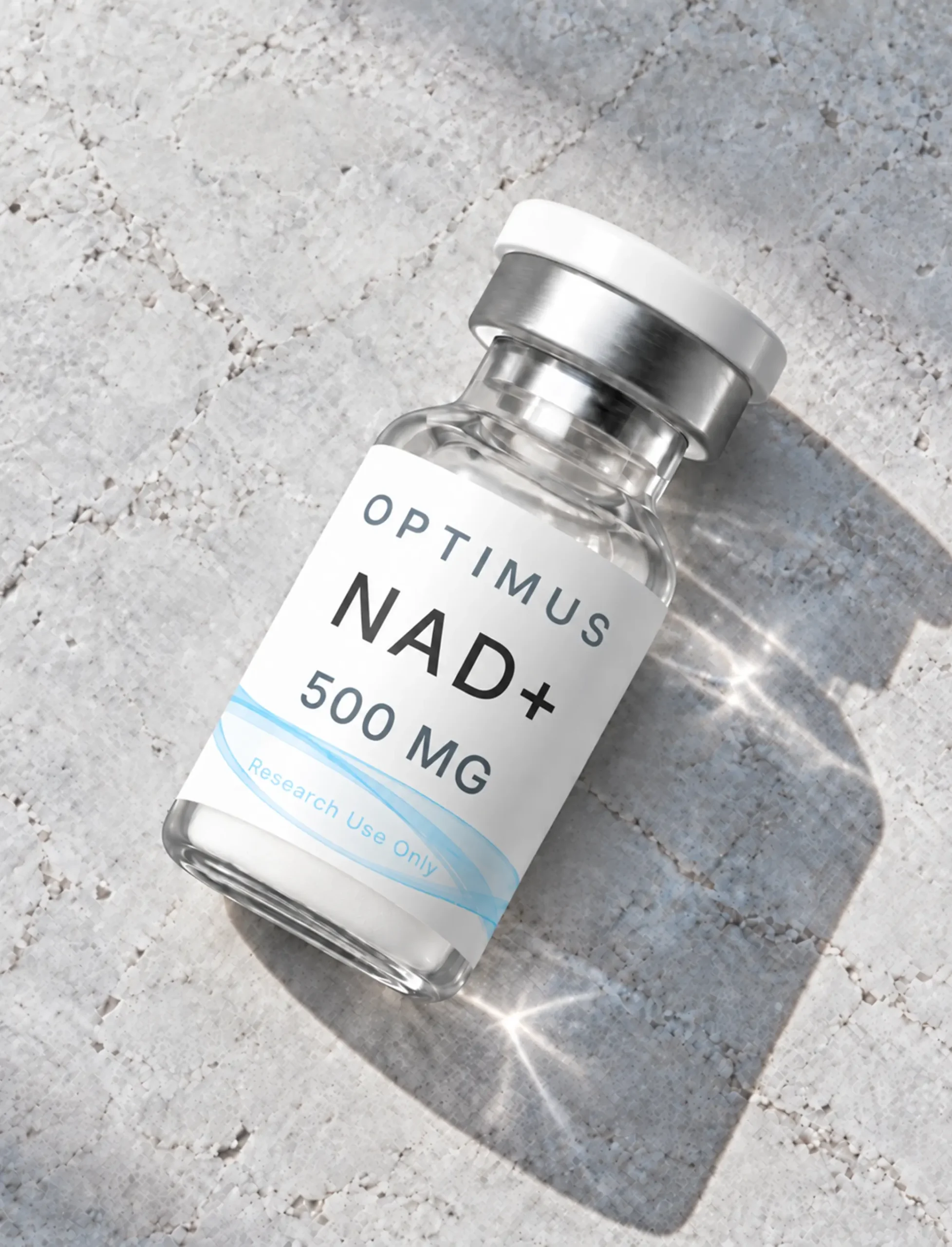
NAD+
£34.50
| Quantity | Price | Discount |
|---|---|---|
| 2 | £32.78 | 5% |
| 3-9 | £31.05 | 10% |
| 10+ | £29.33 | 15% |
- Purity: ≥99% (HPLC)
- Batch-controlled manufacturing
- Secure packaging for laboratory handling
- Storage: Store the powder protected from light and moisture. For long-term stability, keep frozen. Following preparation in accordance with laboratory protocols, store solutions refrigerated (2–8 °C).
- Research use only (not for human or veterinary use)
Get notified when it's back in stock
- Purity: ≥99% (HPLC)
- Batch-controlled manufacturing
- Secure packaging for laboratory handling
- Storage: Store the powder protected from light and moisture. For long-term stability, keep frozen. Following preparation in accordance with laboratory protocols, store solutions refrigerated (2–8 °C).
- Research use only (not for human or veterinary use)
Every living cell depends upon a continuous supply of energy to maintain normal biological function. NAD⁺ (Nicotinamide Adenine Dinucleotide) has become a recognised laboratory research molecule within this field, appearing in studies exploring cellular metabolism, mitochondrial function and redox biology.
As researchers continue to investigate the molecular pathways that regulate energy production and cellular homeostasis, NAD⁺ remains an important subject of laboratory research across multiple areas of molecular biology and biochemistry.
For a fuller overview of the research background to this compound, see our What Is NAD+? guide.
Key Research Areas
- Cellular metabolism
- Mitochondrial function
- Redox biology
- Cellular bioenergetics
NAD⁺ is a naturally occurring coenzyme found in every living cell and is fundamental to numerous metabolic processes. Its central role in transferring electrons during biochemical reactions has made it one of the most extensively studied molecules in modern biology, contributing to research across metabolism, mitochondrial physiology and cellular signalling.
Rather than being associated with a single biological pathway, NAD⁺ has featured in laboratory investigations examining energy metabolism, enzymatic activity and intracellular communication. This broad scientific profile has established NAD⁺ as a recognised research molecule within biochemistry and cell biology.
One of the principal reasons NAD⁺ remains an important subject of scientific investigation is its relationship with cellular metabolism. Cells rely upon thousands of enzyme-driven reactions to generate energy, maintain homeostasis and support normal physiological activity.
Understanding how NAD⁺ participates in these interconnected metabolic pathways continues to be a major objective of biomedical research. Experimental studies have therefore explored its role in the biochemical processes that regulate cellular energy production and metabolic function.
Closely connected to this work is the study of mitochondrial function. Mitochondria are responsible for producing the majority of the energy required by cells, making them essential for normal cellular physiology.
Researchers continue to investigate how NAD⁺ contributes to mitochondrial biology and intracellular energy production, with laboratory studies examining its role in supporting the complex biochemical reactions that occur within these organelles.
Scientific interest in NAD⁺ also extends to redox biology. Oxidation-reduction (redox) reactions underpin many of the chemical processes required for cellular function, allowing electrons to be transferred efficiently during metabolism.
Understanding these molecular mechanisms remains an important focus of laboratory research, with NAD⁺ continuing to feature in studies exploring enzymatic activity, metabolic regulation and cellular communication.
What distinguishes NAD⁺ from many other research compounds is its fundamental role in normal cellular physiology. Rather than being associated with a single area of biology, it contributes to investigations spanning metabolism, mitochondrial science, enzymology and molecular signalling.
This broad scientific profile continues to make NAD⁺ one of the most widely studied molecules in contemporary biological research.
This overview introduces NAD⁺ as a laboratory research molecule and highlights the scientific areas in which it continues to be investigated.
Chemical name: Nicotinamide adenine dinucleotide (NAD⁺), oxidized
Synonyms: β-NAD; β-DPN; Coenzyme 1; DPN; Nadide
Molecular formula: C21H27N7O14P2 · xH2O (hydrate form is common)
Molecular weight: 663.43 g/mol (anhydrous basis)
CAS: 53-84-9
Form: Powder
Appearance: White to off-white solid
Light sensitivity: Light-sensitive (handle/store accordingly)
For storage and handling of this material, see our guide on how to store peptides.
This product is supplied strictly for laboratory research purposes. It is not intended for human consumption or veterinary use and is not marketed for the diagnosis, treatment, cure, mitigation, or prevention of any disease or medical condition. No directions for personal use are provided or implied. The purchaser is responsible for ensuring compliant handling, storage, and use in accordance with applicable laws and regulations.
Certificate of Analysis for NAD+ — verifying purity, identity, and quality.
Related Products
CJC-1295 without DAC
Get notified when it's back in stock
Epitalon
Get notified when it's back in stock


Reviews
There are no reviews yet.