
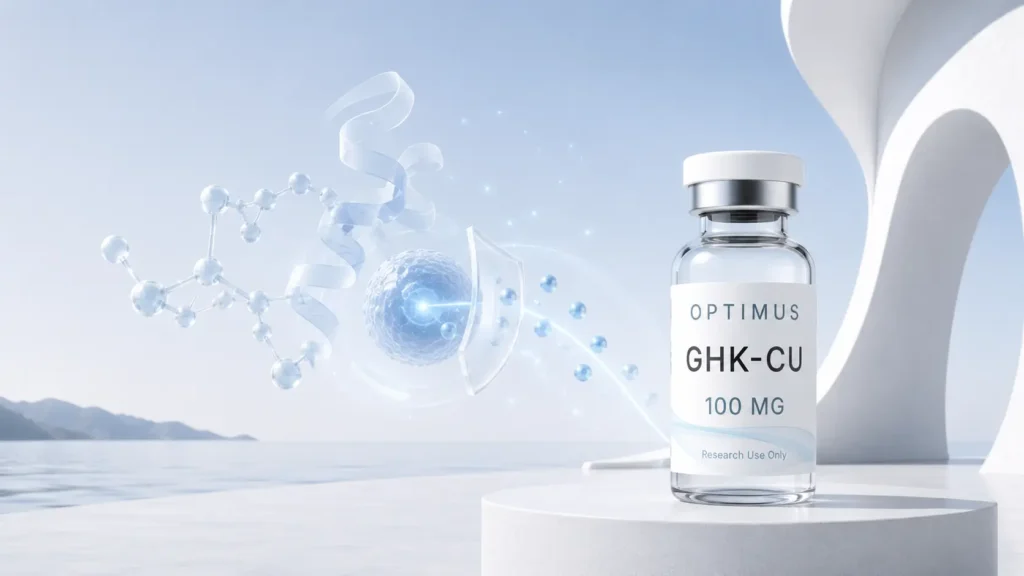
What Is GHK-Cu? A Complete Guide to Copper Tripeptide-1

GHK-Cu (Copper Tripeptide-1) is a naturally occurring copper peptide studied in collagen, hair-follicle and tissue-repair research. Learn its mechanisms, purity and storage.
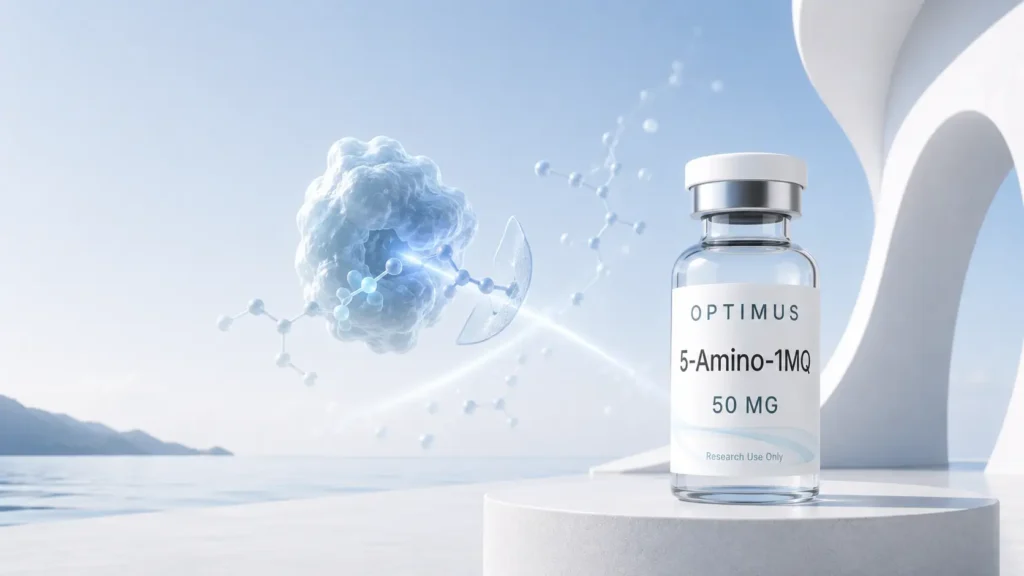
What Is 5-Amino-1MQ? A Lab Guide to NNMT Inhibition & Uses
5-Amino-1MQ is a small-molecule NNMT inhibitor studied in metabolic research. Learn how it works, its research applications, purity specs, and storage.

What Is Bacteriostatic Water? A Lab Guide to Uses & Storage

What bacteriostatic water (bac water) is, how it is used to reconstitute research peptides, how to store it, and how it differs from sterile water.

Frequently Asked Questions About Research Peptides (Lab-Focused)
Common lab questions about research peptides answered: storage, reconstitution solvents, purity grades, reading a COA, TFA salts and degradation.

How to Choose Between a Peptide and a Small Molecule for Your Experiment
Peptide or small molecule? Compare specificity, stability, cost and assay fit to choose the right research tool for your experiment.
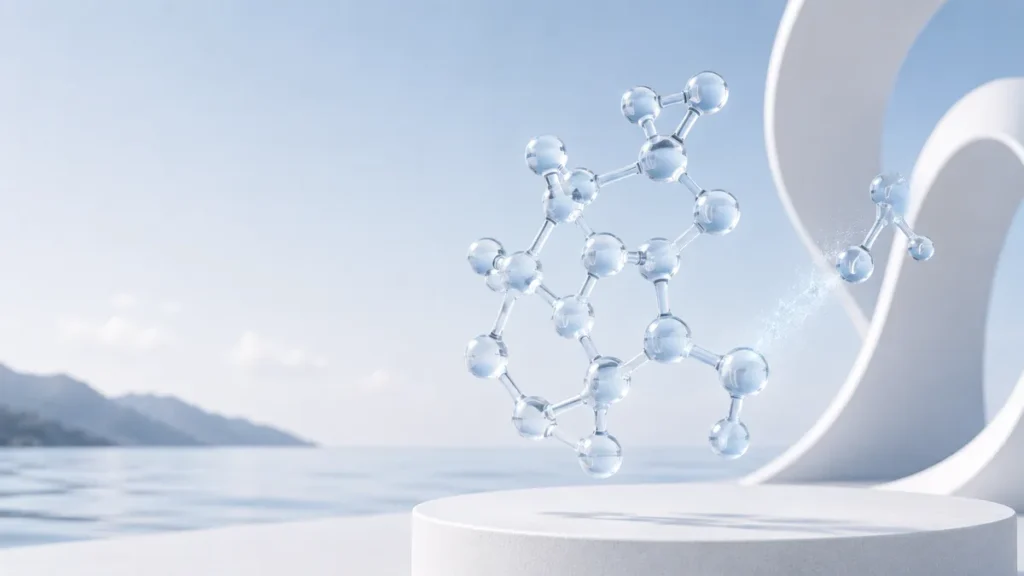
Understanding Trifluoroacetic Acid (TFA) Removal in Peptide Manufacturing
What residual TFA is, when it interferes with cell culture, MS and NMR, how it's removed, and how to read salt form on a COA.

Why Peptide Purity Matters for Reproducible Research
Impurities cause false signals, toxicity and batch variation. Why peptide purity drives reproducibility and how to match purity to your assay.
How to Store Peptide Vials: Temperature, Light, and Moisture Protection
Lab protocols for storing peptide vials: temperature, moisture and light protection, storage-duration guidelines and degradation signs.

Understanding Peptide Purity Grades: Research vs Analytical vs Crude
Crude, research or analytical grade? Understand peptide purity grades, applications and what to expect on the COA, and avoid overspending.

Common Solvents for Peptide Reconstitution: A Laboratory Guide
Which solvent for your peptide? Sterile water, PBS, acetic acid, acetonitrile and DMSO compared, with reconstitution protocols for the lab.


