
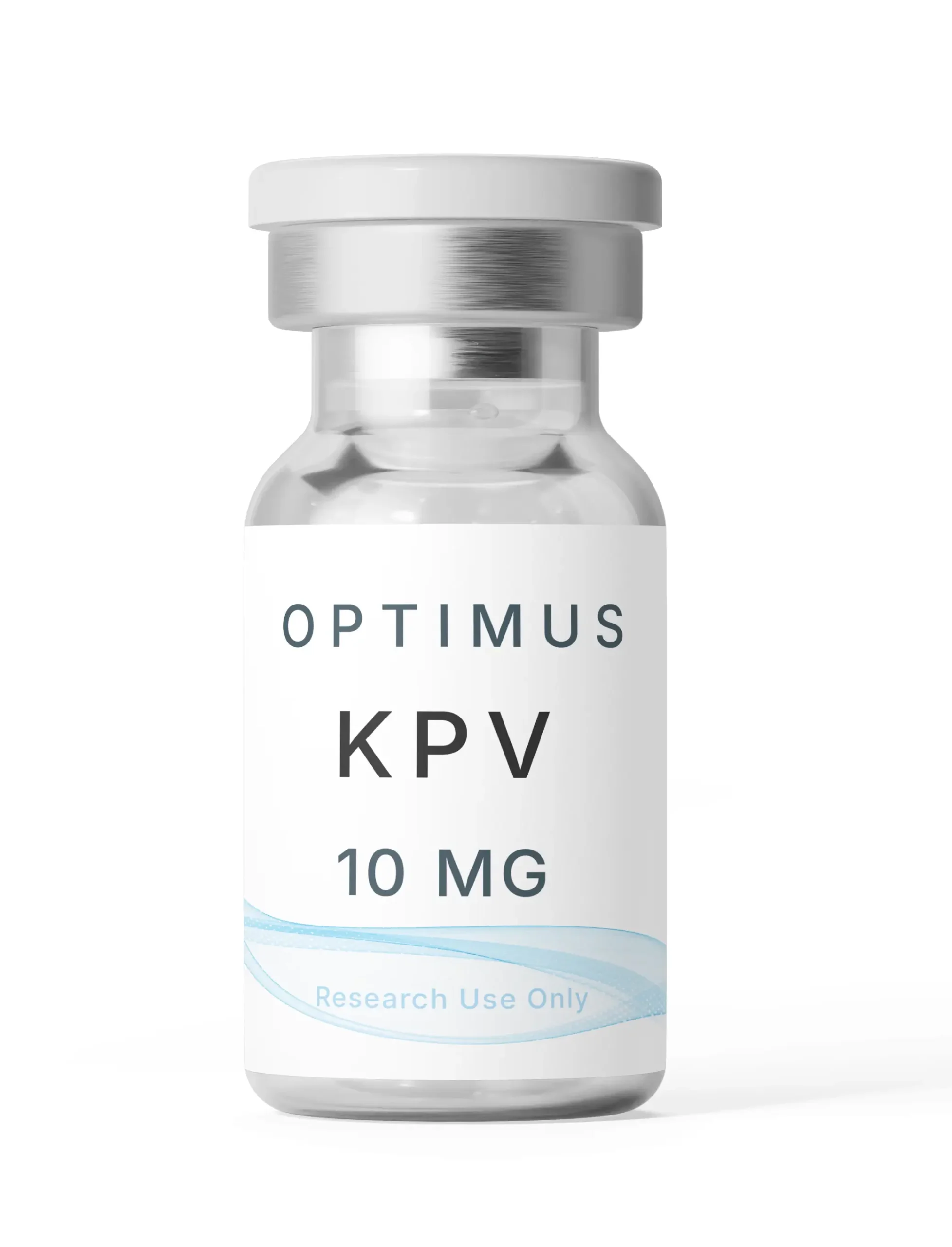
KPV
£24.50
| Quantity | Price | Discount |
|---|---|---|
| 2 | £23.28 | 5% |
| 3-9 | £22.05 | 10% |
| 10+ | £20.83 | 15% |
- Purity: ≥99% (HPLC)
- Batch-controlled manufacturing
- Secure packaging for laboratory handling
- Storage: Store lyophilised powder frozen for long-term stability.
- Following preparation in accordance with laboratory protocols, store solutions refrigerated (2– 8 °C).
- Research use only (not for human or veterinary use)
Get notified when it's back in stock
- Purity: ≥99% (HPLC)
- Batch-controlled manufacturing
- Secure packaging for laboratory handling
- Storage: Store lyophilised powder frozen for long-term stability.
- Following preparation in accordance with laboratory protocols, store solutions refrigerated (2– 8 °C).
- Research use only (not for human or veterinary use)
The body’s immune system depends on precise molecular signalling to maintain physiological balance and coordinate cellular responses. KPV has become a recognised laboratory research peptide within this field, appearing in studies exploring immune signalling, inflammatory biology and peptide-mediated cellular communication.
As researchers continue to investigate the molecular pathways that regulate immune function, KPV remains an important subject of laboratory research across multiple areas of immunology and cell biology.
For a fuller overview of the research background to this compound, see our What Is KPV? guide.
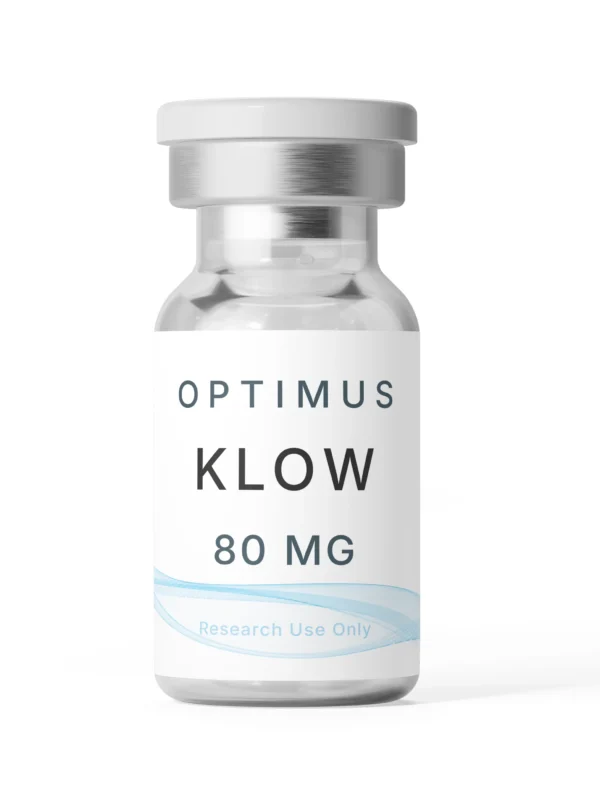
KPV is also one of the four peptides in KLOW 80mg, a co-lyophilised blend with GHK-Cu, BPC-157 and TB-500.
Key Research Areas
- Immune signalling
- Inflammatory biology
- Peptide-mediated communication
- Cellular regulation
KPV is a naturally derived tripeptide fragment originating from the larger peptide alpha-melanocyte-stimulating hormone (α-MSH). Its simple structure and well-defined biological origin have made it an important subject of laboratory investigations examining peptide signalling and immune communication.
Rather than being investigated within a single biological pathway, KPV has featured in experimental studies exploring molecular signalling, immune regulation and cellular communication. This multidisciplinary research profile has established KPV as a recognised laboratory research peptide within immunology and molecular biology.
One of the principal reasons KPV remains an important subject of scientific investigation is its association with immune signalling. The immune system relies on an intricate network of signalling molecules that enable cells to coordinate responses and maintain normal physiological balance.
Understanding these communication pathways continues to be a major objective of biomedical research. Experimental studies involving KPV have therefore explored the molecular mechanisms responsible for peptide-mediated signalling and immune cell communication.
Closely connected to this work is the study of inflammatory biology. Inflammation is regulated through highly coordinated cellular signalling networks involving cytokines, chemokines and regulatory peptides.
Researchers continue to investigate how these pathways are controlled under normal physiological conditions, with KPV appearing in laboratory studies examining the biological processes involved in immune regulation and cellular communication.
Scientific interest in KPV also extends to peptide biology. Naturally occurring peptides act as signalling molecules throughout the body, influencing communication between cells and contributing to the regulation of numerous biological processes.
Understanding how these small peptide fragments interact with complex signalling networks remains an important area of laboratory research, with KPV continuing to feature in studies exploring molecular communication and cellular regulation.
What distinguishes KPV from many other research peptides is its origin as a naturally occurring peptide fragment and its close association with immune signalling biology. Rather than being confined to a single research application, it continues to contribute to investigations spanning immunology, peptide biology and molecular communication.
This focused scientific profile continues to make KPV a recognised laboratory research peptide for scientists seeking to better understand the biological mechanisms that regulate immune communication and cellular signalling.
This overview introduces KPV as a laboratory research peptide and highlights the scientific areas in which it continues to be investigated.
Chemical name: KPV (Lys-Pro-Val)
Synonyms: KPV; Lys-Pro-Val; α-MSH fragment (commonly referenced)
Peptide length: 3 amino acids (tripeptide)
Sequence (1-letter): KPV
Sequence (3-letter): Lys-Pro-Val
Molecular formula: C16H30N4O4
Molecular weight: 342.43 g/mol
CAS: 67727-97-3
Form: Lyophilised (freeze-dried) powder
Appearance: White to off-white solid
For storage and handling of this material, see our guide on how to store peptides.
This product is supplied strictly for laboratory research purposes. It is not intended for human consumption or veterinary use and is not marketed for the diagnosis, treatment, cure, mitigation, or prevention of any disease or medical condition. No directions for personal use are provided or implied. The purchaser is responsible for ensuring compliant handling, storage, and use in accordance with applicable laws and regulations.
Certificate of Analysis for KPV — verifying purity, identity, and quality.
Related Products
Epitalon
Get notified when it's back in stock
MOTS-c
Get notified when it's back in stock


Reviews
There are no reviews yet.